

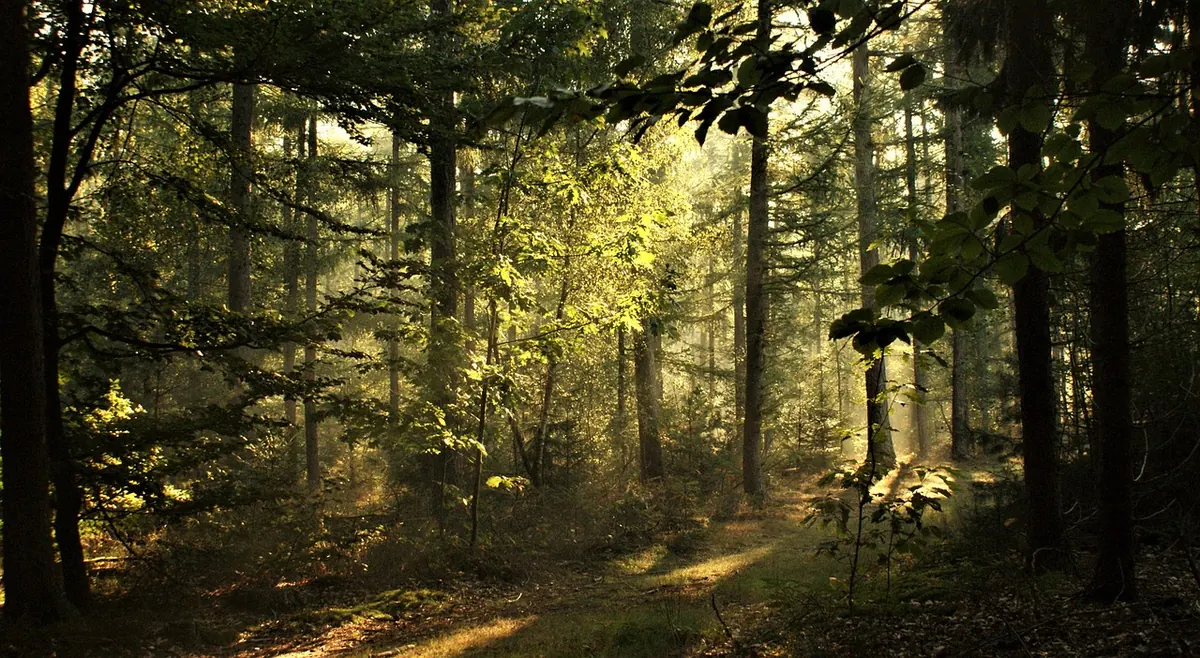


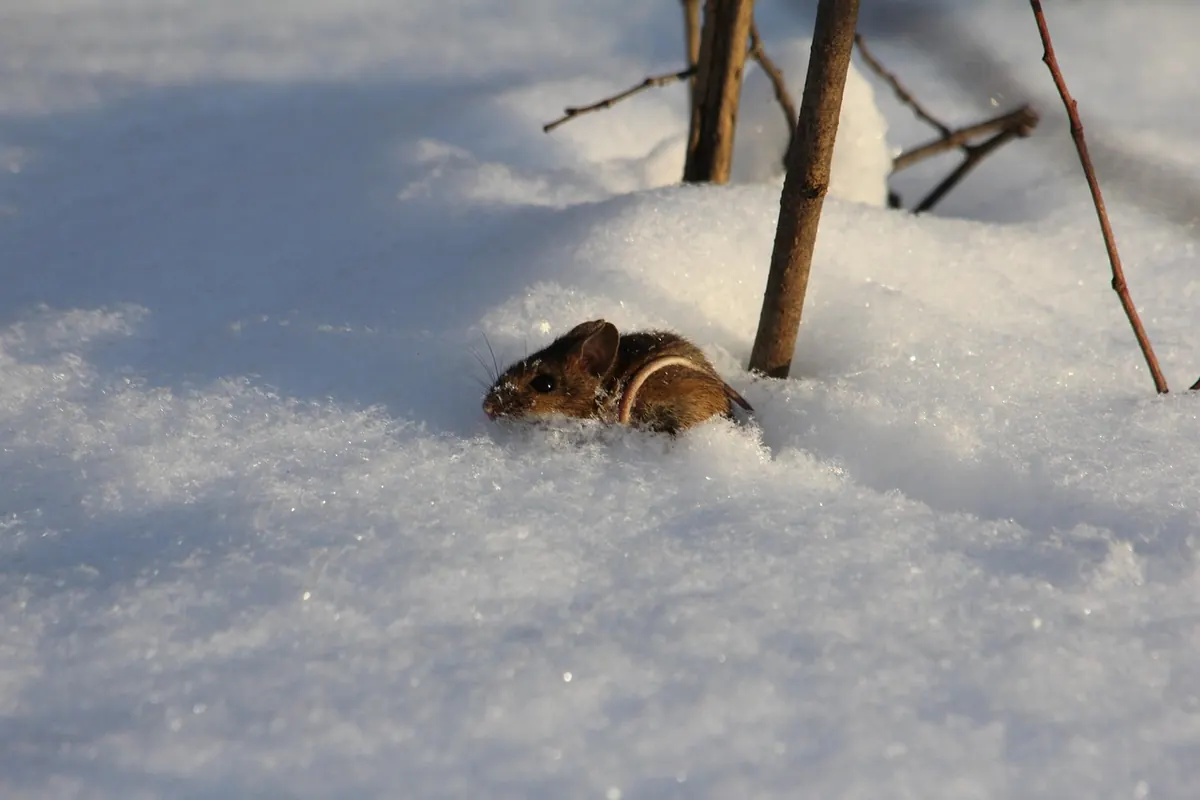
A forest walk changes when you stop looking only at the canopy and start reading the ground. A bent stem, a smear of seeds in a dropping, a single feather caught on a bramble—each is a small note left by an animal that has already moved on. A wildlife journal gives those notes somewhere to land. The aim is not to identify everything on the first try, but to record enough detail that patterns emerge over time: which tracks appear after rain, where deer browse, which perch an owl uses.
Read the Ground First
Tracks and track patterns
Look for tracks in soft mud, dust, snow, or fine silt beside water. Photograph them with a ruler or notebook edge for scale, and sketch the pattern before you kneel too close. Count toes, check for claw marks, note whether the pad is round or triangular, and record the gait. Deer leave two neat cloven halves; dogs usually show four toes and often claws. Record the substrate and light as well. If the edge is crumbling, say so—uncertainty is data.
Trails and runways
Not every sign is a print. Runways are narrow paths worn through grass, bracken, or leaf litter, often ducking under low cover. Look for tunnels through vegetation, flattened patches at fence lines, and hair caught on wire. Note the width, the clearance above the path, and the direction of travel. These are general clues, not labels.
Scat and droppings
Scat is one of the most informative signs, and one of the least appealing. Record shape, size, colour, consistency, and contents: fur, bones, seeds, insect cases, berry skins. Location matters too—on a stone, in a latrine, beside a trail. Do not handle it with bare hands, and avoid collecting it unless you have a specific reason and know local guidance. A photo beside a scale and a written note will serve most journal entries. Wash your hands after fieldwork.
Look at What Animals Eat
Nibbled plants and browsed twigs
Browsing leaves a different edge from cutting. Deer and rabbits tend to leave a clean, angled cut on twigs and shoots; caterpillars and other insects chew ragged edges or holes. Look for stripped bark on young trees, cropped grass, and stems clipped at a consistent height. Note the plant species if you can, the height of the damage, and whether it is fresh or weathered. A line of nibbled shoots at the same height is a useful clue to a repeated visitor.
Feeding remains and food waste
Under a conifer, a pile of stripped cones may point to squirrels; split nutshells and chewed husks can mark a feeding perch. Bones, eggshells, and feathers in one place may be the leftovers of a predator or scavenger. Record what is present and what is missing—was the carcass picked clean, were bones crushed, were shells opened in a particular way? Leave remains where they are and include a scale in any photograph.
Pellets
Owl pellets are compact bundles of fur, bone, and insect parts, usually rounded and found beneath roosts or at the base of a tree. Other birds produce pellets too, and the contents vary. Note shape, size, location, and what you can see without breaking it open. Pellets are regurgitated indigestible material, not droppings. Keep them dry, photograph them, and put them back.
Check the Edges and Snags
Feathers
Feathers catch on brambles, wire, and rough bark. Photograph both sides, note the colour pattern, the shape of the tip, the length, and whether down is present at the base. A single feather is often enough to record a family or general group, but not always a species. Note where it was found: on the ground, at a plucking post, or caught at chest height.
Hair and fur snags
Tufts of hair on barbed wire, fence posts, and thorny stems can be surprisingly telling. Look at length, colour banding, stiffness, and whether the tip is tapered or blunt. Guard hairs from deer, badger, and fox differ in texture, but don’t overclaim from a small tuft. Record the height above ground and the habitat edge.
Notice Homes and Territory
Burrows, dens, and nests
Burrows and dens are high-value finds, and high-disturbance ones. Note the number of entrances, their size and shape, the amount of excavated soil, nearby tracks, and any latrine or food remains. Do not probe, widen, or block entrances. Keep your distance and keep noise low. If you suspect a maternity den or nest, retreat quietly and note the location only broadly.
Scrapes, rubs, and scent marks
Deer rub small trees and saplings with their antlers, stripping bark and leaving frayed edges; scrapes are pawed patches in leaf litter, often with a scent mark nearby. Look for repeated use: several rubs along a route, a line of scrapes, or a well-worn scent station. Record the height of the rub, the diameter of the sapling, and whether the damage is fresh.
Keep a Clean, Careful Field Practice
Stay on paths where they exist, keep dogs under control, and give wildlife room to move away. Do not feed animals or handle droppings, pellets, or carcasses with bare hands. Carry a small notebook, a pencil, a ruler, and a hand lens; they will do more for your identification than a phone full of blurry photos. Leave natural objects in place unless you are sure collection is allowed and useful.
A Short Checklist for the Next Walk
- Tracks: toes, claws, pad shape, gait, substrate.
- Trails: width, clearance, direction, hair on wire.
- Scat: shape, size, contents, location—photograph only.
- Nibbled plants: clean cut or ragged edge, height, plant species.
- Feeding remains: cones, nutshells, bones, eggshells, feathers.
- Pellets: shape, size, roost or perch nearby.
- Feathers: both sides, tip shape, down at base, position found.
- Hair: length, colour bands, texture, snag height.
- Homes: entrances, excavated soil, tracks, and latrine signs.
- Territory signs: rubs, scrapes, scent marks, repeat use.
You do not need all ten in one walk. Two clear entries with good context will teach you more than ten rushed ticks on a list. Date the page, note the weather, add a rough map, and return to the same place after rain or snow. That is how a wildlife journal becomes a record of a forest, not just a collection of finds.
Photo: Alex_Kard / Pixabay
Related posts
More stories you’ll love reading